
Nutrition After Cancer Treatment: A Recovery Guide
Table of Contents
- Why Nutrition After Cancer Treatment Matters for Recovery
- Addressing Cancer Treatment Side Effects and Diet
- Diet After Chemotherapy: Building Back Strength
- Foods for Cancer Survivors: Practical Eating Strategies
- Vitamins and Supplements After Cancer Treatment
- Hydration and Physical Activity in Survivorship
- Creating Your Personalized Recovery Plan
- Frequently Asked Questions
Last Updated: October 21, 2026
Why Nutrition After Cancer Treatment Matters for Recovery
Nutrition after cancer treatment is one of the most underestimated tools for rebuilding your body.
Chemotherapy, radiation, and surgery deplete nutrient stores, weaken immunity, and break down muscle.
The weeks and months after treatment are critical for repairing tissue, rebuilding strength, and restoring immune function.
Most oncologists focus on getting you through treatment and give little detailed guidance on nutrition after cancer treatment for the months that follow.
Nutrition after cancer treatment isn’t optional, it’s the foundation of survivorship. Your body needs specific nutrients to repair damage and rebuild immunity.
Addressing Cancer Treatment Side Effects and Diet
Nausea, appetite loss, dry mouth, and taste changes are common after cancer treatment and often linger for weeks or months. The key is matching your diet to what your body can handle right now.
Managing appetite loss and taste changes
Appetite loss after cancer treatment is frustrating: you need nutrients, but nothing tastes right and hunger feels distant.
Chemotherapy can make foods you loved taste metallic or bitter, though this typically improves over weeks or months.
Here’s what works:
- Eat small amounts frequently. Skip three large meals; try six to eight small ones, a handful of nuts, a smoothie, a piece of cheese.
- Choose nutrient-dense foods over volume. Avocado, nut butters, eggs, and fish pack calories and nutrients into small portions.
- Experiment with temperature and texture. Cold foods often taste better than hot ones; smoothies, yogurt, and chilled soups are easier to tolerate than solid meals.
- Don’t force foods you hate. Pushing yourself to eat something that tastes wrong creates negative associations.
- Add flavor gradually. Mild spices and fresh herbs make bland food interesting without overwhelming your palate.
Keep a food journal during recovery. Note which foods appeal to you and which ones trigger nausea. Patterns emerge quickly, and you’ll learn what your body actually wants.
Handling nausea, dry mouth, and difficulty swallowing
Nausea after cancer treatment can linger, dry mouth makes swallowing painful, and difficulty swallowing forces you to avoid solid foods, problems that compound each other.
Soft, moist foods are your allies:
- Soups and broths. Warm or cold, they’re easy to swallow and hydrating. Bone broth adds protein and minerals.
- Smoothies and protein shakes. Blend fruits, yogurt, protein powder, and milk or plant-based alternatives for nutrition without chewing.
- Scrambled eggs and soft cheese. Protein-rich and easy to swallow.
- Mashed vegetables and sweet potatoes. Soft, naturally sweet, and packed with vitamins.
- Applesauce, pudding, and custard. Gentle on the throat and calorie-rich.
For dry mouth, sip water constantly; herbal teas, coconut water, and diluted fruit juices help. Avoid alcohol and caffeine, and swish water after meals.
If swallowing remains difficult after several weeks, ask your doctor for a swallow evaluation. Persistent difficulty can lead to aspiration (food entering your lungs), which is serious.
Diet After Chemotherapy: Building Back Strength
Chemotherapy damages fast-growing cells, including healthy ones in your gut lining, hair follicles, and bone marrow. After treatment ends, these cells must rebuild. Diet after chemotherapy supplies the raw materials: protein to rebuild tissue, calories to fuel healing, and micronutrients to support immunity.
Protein for tissue repair and immune function
Protein is non-negotiable during recovery: it repairs muscle, rebuilds gut lining, makes immune cells, and generates energy. Most survivors need more protein during recovery than before treatment.
Best protein sources:
- Fish and seafood. Salmon, cod, and sardines provide protein plus anti-inflammatory omega-3 fatty acids.
- Chicken and turkey. Lean, affordable, and versatile. Cook until very tender if swallowing is difficult.
- Eggs. Complete protein with choline for brain health and energy.
- Legumes. Beans, lentils, and chickpeas offer protein plus fiber; cook soft and blend into soups if needed.
- Greek yogurt and cottage cheese. Easy to eat, high protein, soothing to the throat.
- Nuts and seeds. Almonds, walnuts, chia, and hemp seeds deliver protein plus healthy fats and minerals.
Pair protein with other foods. Eggs with toast. Fish with vegetables. Yogurt with berries. This combination keeps blood sugar stable and prevents energy crashes.
Calorie and nutrient needs during recovery
Your body burned through calories during treatment and needs them back to fuel healing. Don’t restrict calories during recovery.
Focus on nutrient density: 300 calories of vegetables and broth is not the same as 300 calories of processed food. Your body needs the vitamins, minerals, and phytonutrients in whole foods.
Key nutrients to prioritize:
- Vitamin C supports immunity and collagen formation. Citrus, berries, bell peppers, and broccoli are rich sources.
- Vitamin D regulates immune response and bone health. Fatty fish, egg yolks, and sun-exposed mushrooms provide it; many survivors benefit from supplementation, discuss with your doctor.
- Iron is critical after surgery or radiation. Red meat, poultry, beans, and fortified grains help; pair with vitamin C to improve absorption.
- Zinc supports wound healing and immunity. Oysters, beef, pumpkin seeds, and chickpeas are good sources.
- Selenium protects cells from damage. Brazil nuts, tuna, and turkey contain it.
- B vitamins fuel energy production. Whole grains, leafy greens, eggs, and meat provide them.
A practical approach: eat a variety of colors. Orange and red foods (carrots, tomatoes, peppers) provide carotenoids; dark greens (spinach, kale, broccoli) deliver iron and folate; purple foods (blueberries, eggplant) contain anthocyanins.
Foods for Cancer Survivors: Practical Eating Strategies
Once acute side effects fade, build a sustainable eating pattern that supports long-term recovery and reduces recurrence risk.
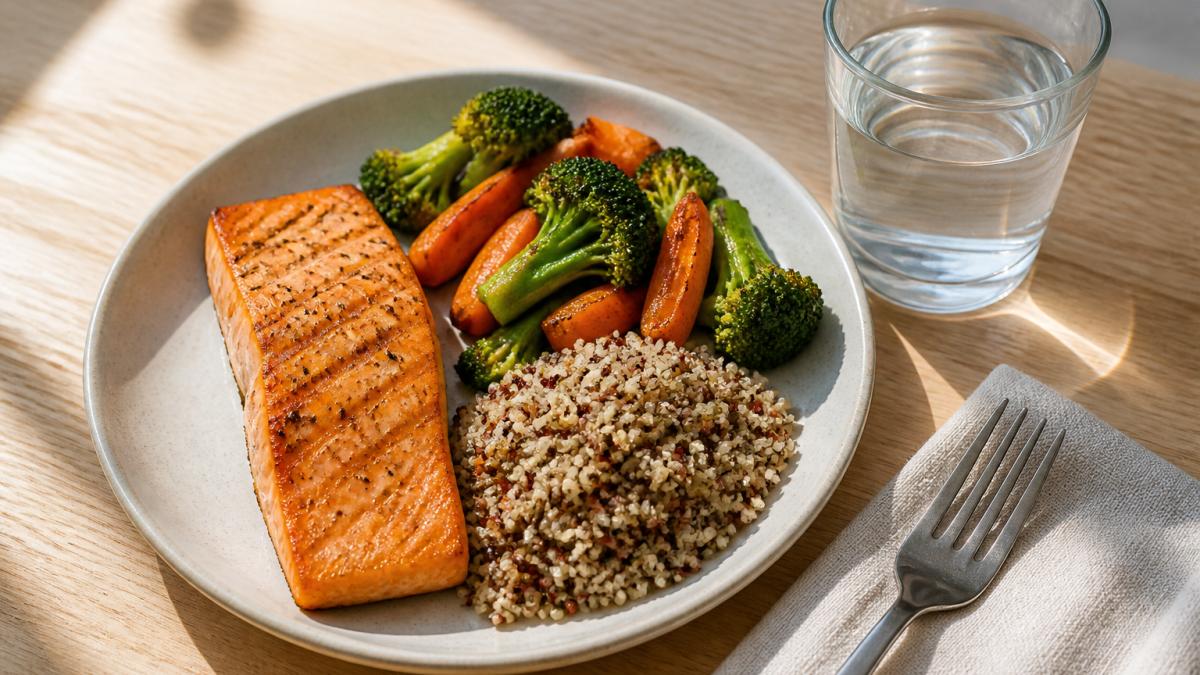
Small, frequent meals and nutrient-rich choices
Your appetite may still be fragile. Your stomach may not tolerate large volumes. Small, frequent meals work better than three traditional meals.
A practical eating schedule:
- Breakfast: Scrambled eggs with whole-grain toast and berries.
- Mid-morning snack: Greek yogurt with almonds.
- Lunch: Grilled chicken with roasted vegetables and brown rice.
- Afternoon snack: Apple with almond butter.
- Dinner: Baked salmon with sweet potato and steamed broccoli.
- Evening snack (if hungry): Cottage cheese with peaches.
Each meal and snack includes protein, healthy fats, and whole carbohydrates, keeping energy steady and preventing the hunger-then-overeating cycle.
Preparation matters. Cook in batches, freeze portions, and keep meals ready for tired days; a frozen container of soup reheats in five minutes, while a complicated recipe isn’t realistic.
Safe food handling and reducing infection risk
During and shortly after cancer treatment, your immune system is compromised. Foodborne illness can become serious quickly. Safe food handling isn’t optional, it’s protective.
Follow these rules:
- Cook meat, poultry, and fish thoroughly. Use a meat thermometer: chicken to 165°F, ground meat to 160°F; fish flakes easily when done.
- Wash produce under running water. Skip bleach or special washes; plain water works.
- Avoid raw or undercooked eggs. Cook until yolk and white are firm; skip homemade Caesar dressing and cookie dough.
- Refrigerate leftovers promptly. Don’t leave cooked food at room temperature more than two hours.
- Use separate cutting boards for raw meat and vegetables. Wash hands, boards, and utensils with soap and water after handling raw meat.
- Avoid deli meats, soft cheeses, and unpasteurized products. These carry higher Listeria risk, dangerous for immunocompromised people.
- Skip raw sprouts. They carry higher contamination risk than other raw vegetables.
These precautions feel strict but are temporary. As your immune system recovers (usually within weeks to months), you can relax them gradually, your doctor will tell you when it’s safe.
Never assume your immune system has recovered just because you feel better. Ask your oncologist when it’s safe to resume normal food handling and eating raw foods. Feeling good doesn’t equal immune recovery.
Vitamins and Supplements After Cancer Treatment
Many survivors ask about supplements. The answer is nuanced. Some supplements support recovery. Others can interfere with treatment or increase recurrence risk.
When supplementation makes sense
Supplementation isn’t a replacement for food, food is always the priority. But certain supplements fill gaps that diet alone can’t address.
Vitamin D is commonly deficient in cancer survivors.
Omega-3 fatty acids from fish oil reduce inflammation and support brain and heart health.
Probiotics may help restore gut bacteria damaged by chemotherapy and antibiotics.
Magnesium supports energy production, muscle recovery, and sleep. Many cancer survivors are deficient.
Supplements to approach with caution
Some supplements interact with cancer treatment or may increase recurrence risk. This is where personalized guidance matters.
Herbal supplements are less regulated than pharmaceuticals. Some interact with medications; some have estrogenic effects, which matters with hormone-sensitive cancer. St.
Supplements marketed to “boost immunity” often overpromise.
The safest approach: ask your oncologist before starting any supplement. Bring the label. Be honest about what you’re considering. Your oncologist isn’t anti-supplement, they’re anti-interference.
Hydration and Physical Activity in Survivorship
Hydration matters more during recovery than most people realize.
Drink water consistently throughout the day.
Physical activity accelerates recovery. It rebuilds muscle, improves energy, reduces anxiety, and lowers recurrence risk.
Start with gentle movement: walking, stretching, swimming.
Strength training becomes important after the first few weeks.
Listen to your body. Fatigue during recovery is normal; pushing through exhaustion isn’t brave, it’s counterproductive.
Creating Your Personalized Recovery Plan
Generic advice helps, but your recovery is specific. Your cancer type, treatment, side effects, and preferences are unique. Your nutrition plan should match your reality.
Start with these steps:
- Work with a registered dietitian, ideally one experienced with cancer survivors. They assess your intake, identify gaps, and create a plan you can follow. This isn’t a luxury, it’s practical medicine.
- Track how foods make you feel. Note energy, digestion, nausea, and mood. Patterns emerge. You’ll learn what your body actually needs right now.
- Adjust gradually. Don’t overhaul your diet overnight. Add one new food or habit per week. Small changes stick.
- Plan for convenience. Recovery is tiring. Meals must be easy to prepare or ready to eat. Batch cooking, frozen vegetables, and rotisserie chicken are your friends.
- Connect with other survivors. They understand the unique challenges of nutrition after cancer treatment. Support groups and online communities normalize the experience and share practical tips.
At Pacific Naturopathic, we create individualized nutrition plans that account for your specific treatment, lingering side effects, and health goals, combining nutritional counseling with advanced therapies like IV nutritional support when appropriate.
| Recovery Phase | Timeline | Nutrition Focus | Key Actions |
|---|---|---|---|
| Immediate post-treatment | Weeks 1-4 | Managing side effects, small frequent meals | Soft foods, hydration, appetite support |
| Early recovery | Weeks 5-12 | Rebuilding strength, increasing intake | Protein emphasis, nutrient density, gradual variety |
| Mid-recovery | Months 4-6 | Normalizing eating, reducing restrictions | Broader food choices, physical activity, energy building |
| Long-term survivorship | Month 7+ | Sustainable healthy eating, recurrence prevention | Balanced diet, continued activity, ongoing monitoring |
Recovery after cancer treatment is a process, not a destination. Your nutrition is the tool you control: it rebuilds your body, restores energy, and supports long-term health.
If you’re navigating nutrition after cancer treatment and need personalized guidance, Pacific Naturopathic specializes in integrative cancer care and survivorship support. Our approach combines evidence-based nutritional counseling with advanced IV nutritional therapies when appropriate. Contact Pacific Naturopathic to schedule a consultation and begin your personalized recovery journey.
Frequently Asked Questions
What should I eat after cancer treatment?
Focus on nutrient-rich, balanced meals that support healing. Include lean proteins (chicken, fish, legumes), colorful fruits and vegetables, whole grains, and healthy fats. Eat smaller, frequent meals if full portions feel overwhelming. Avoid added sugars and processed foods when possible. Work with a registered dietitian to personalize recommendations based on your specific cancer type, treatment, and ongoing symptoms.
Should I take vitamins or supplements after cancer treatment?
Supplementation depends on your individual nutritional status and treatment history. Some cancer survivors benefit from targeted support for deficiencies, while high-dose supplements may interfere with certain treatments or recovery. Discuss your specific needs with your oncology team and a qualified healthcare provider before starting any new supplement regimen.
How can I regain weight and strength after cancer treatment?
Gradual weight regain requires adequate protein intake to rebuild muscle tissue, sufficient calories to support healing, and consistent physical activity as tolerated. Include protein at each meal, choose calorie-dense nutrient-rich foods, and eat frequently in smaller amounts if large meals are uncomfortable. Strength-building exercise, even gentle activity, supports tissue repair and recovery alongside proper nutrition.
How long do eating problems last after cancer treatment?
Treatment-related eating difficulties vary widely depending on the type and intensity of cancer therapy. Some side effects resolve within weeks, while others persist for months or longer. Taste changes, appetite loss, and swallowing difficulty may improve gradually over time. A registered dietitian can help manage symptoms during recovery and adjust your nutrition plan as your body heals.