
7 Safe Food Choices After Cancer Treatment
Last Updated: November 13, 2026
Quick Summary
Safe food choices after cancer treatment mean building meals around seven core food groups, filling half your plate with fruits and vegetables, and following strict food-safety steps like cooking poultry to 165°F. Because treatment weakens your immune system, also avoid raw sprouts, unpasteurized dairy, and runny eggs until your oncology team clears them.
- Fill half your plate with fruits and vegetables, and the other half with lean proteins and whole grains.
- Wash hands with soap and warm water for 20 seconds before, during, and after food prep.
- Cook poultry to a minimum internal temperature of 165°F and use a food thermometer.
- Keep your refrigerator at 40°F or below and eat dated leftovers within three to four days.
- Eat small amounts every two to three hours when appetite is low after chemotherapy.
Table of Contents
- Why Safe Food Choices Matter More After Cancer Treatment
- The 7 Core Food Groups for a Balanced Diet After Treatment
- Foods to Eat After Chemotherapy: What to Prioritize When Appetite Is Low
- Foods to Limit or Avoid: Red Meat, Processed Foods, and Added Sugars
- A Practical Food-Safety Checklist for Cancer Survivors
- Matching Food Choices to Symptoms, Immune Status, and Late Effects
- Evidence Strength, Common Myths, and the Role of a Dietitian
- Building Your Personal Nutrition Plan With Pacific Naturopathic
- Frequently Asked Questions
Why Safe Food Choices Matter More After Cancer Treatment
Treatments like chemotherapy and radiation can weaken your immune system, which makes foodborne germs far more dangerous than they were before.
The stakes are real. A March 2026 review reported that a higher-quality diet was linked to a 23% lower mortality rate among people with breast cancer, according to oncology nutrition coverage.
Below, we cover the seven core food groups, foods to limit, a food-safety checklist, and matching choices to your symptoms. For the bigger picture, see our nutrition after cancer treatment guide.
The 7 Core Food Groups for a Balanced Diet After Treatment
A balanced diet after treatment means building meals around seven core groups. Each one covers a different nutrition need, and together they support recovery, energy, and immune health.
The CDC’s healthy eating guidance for survivors keeps it simple: fill half your plate with fruits and vegetables. Use the other half for lean proteins and whole grains. That single habit covers a lot of ground.
Here is the short version of all seven:
| Food Group | What to Include | Why It Matters |
|---|---|---|
| Vegetables and fruits | Leafy greens, berries, carrots, squash | Fiber, vitamins, antioxidants |
| Whole grains | Oats, brown rice, quinoa, whole wheat | Steady energy, high-fiber foods |
| Plant-based protein | Beans, lentils, peas, tofu | Protein without saturated fat |
| Lean animal protein | Poultry, fish, seafood, eggs | Muscle repair, iron, B12 |
| Dairy and calcium | Milk, yogurt, fortified plant milk | Bone health after treatment |
| Healthy fats | Olive oil, nuts, seeds, avocado | Nutrient absorption, heart health |
| Hydration and fluids | Water, broth, herbal tea | Digestion, energy, kidney function |
1. Vegetables and Fruits: Fill Half Your Plate
Vegetables and fruits should take up half of every plate. Aim for color and variety: dark leafy greens, bright berries, orange squash, and red peppers all bring different nutrients.
A 2026 scoping review found that survivors who followed a “prudent” eating pattern ate more fruits, vegetables, and whole grains, as reported in Diet and Breast Cancer Survivorship review. Wash everything well, and cook raw sprouts and unwashed produce with caution when your immune system is low.
2. Whole Grains and High-Fiber Foods
Whole grains and high-fiber foods keep digestion steady and energy level. Choose oats, brown rice, quinoa, barley, and whole wheat bread or pasta.
3. Plant-Based Protein: Beans and Legumes
Beans, lentils, peas, and tofu are plant-based protein that come with fiber and no saturated fat. The American Cancer Society lists beans, lentils, and peas among its recommended protein options, per the CDC’s survivor eating guide.
Rinse canned beans well. If gas is a problem, start with smaller portions and build up.
4. Lean Animal Protein: Poultry, Fish, and Seafood
Poultry, fish, and seafood give you lean protein plus iron and B12.
5. Dairy and Calcium Sources
Dairy and calcium sources protect your bones, which matters after some treatments. Choose pasteurized milk, yogurt, and cheese, or fortified plant milks.
6. Healthy Fats
Healthy fats help your body absorb vitamins and support heart health. Olive oil, nuts, seeds, and avocado are reliable choices.
7. Hydration and Fluids
Hydration and fluids support digestion, energy, and kidney function. Water is the default. Broth, herbal tea, and milk-based drinks add variety.
Foods to Eat After Chemotherapy: What to Prioritize When Appetite Is Low
Foods to eat after chemotherapy should be easy to digest and calorie-dense in small portions. When appetite is low, the goal shifts from a perfect plate to steady nourishment.
Try these first:
- Protein shakes and smoothies made with pasteurized dairy or plant milk
- Soft eggs, mashed beans, and lentil soup
- Oatmeal with nut butter and soft fruit
- Cottage cheese or plain yogurt
Eat small amounts every two to three hours. Cold foods often taste better when treatment changes how things taste. If tiredness makes meals hard, our guide on managing fatigue after cancer treatment pairs well with this advice.
Foods to Limit or Avoid: Red Meat, Processed Foods, and Added Sugars
Limit red meat, processed meat, processed foods, fast food, and added sugars. These foods crowd out the nutrient-dense choices your body needs during recovery.
The main ones to cut back on:
- Processed meat like hot dogs, bacon, and deli slices
- Red meat such as beef, pork, and lamb, kept to small, occasional portions
- Fast food and packaged snacks high in fat, salt, or sugar
- Sugar-sweetened drinks and sweetened juices
None of this means never, these foods should be the exception, not the base of your diet.
A Practical Food-Safety Checklist for Cancer Survivors
Food safety is the part most diet guides skip, and it protects you most. A weakened immune system turns a small slip into a serious risk.
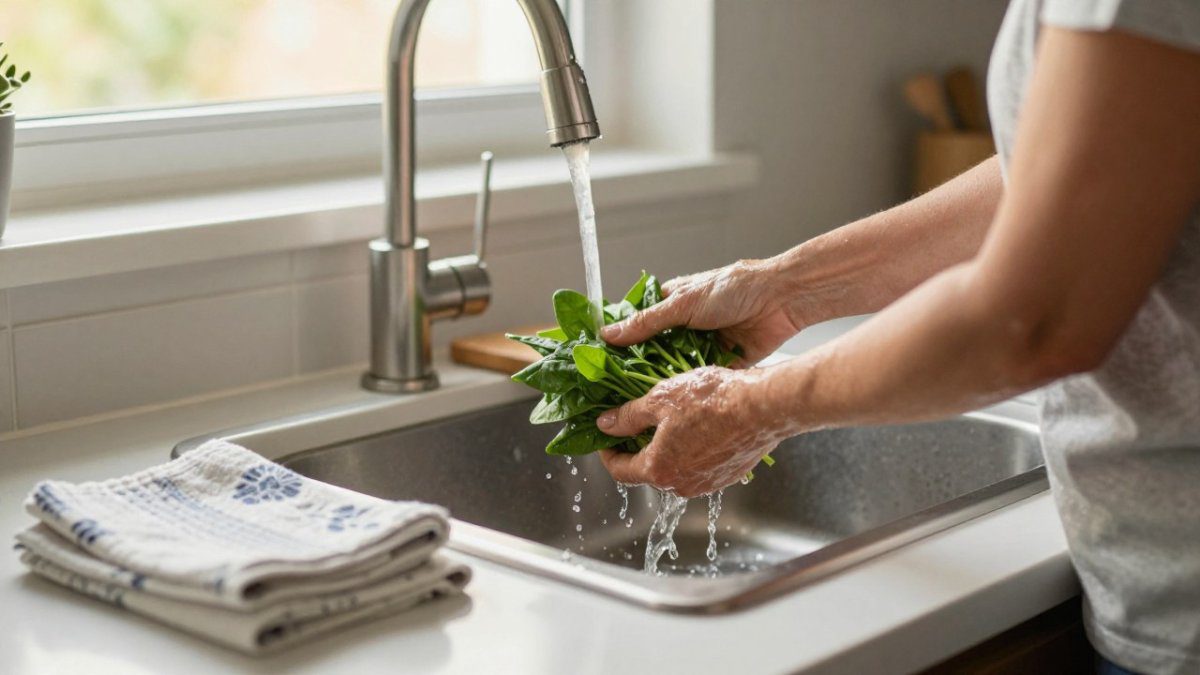
The checklist below is organized by where contamination happens, hands, surfaces, temperatures, and storage.
Hands and surfaces
- Wash hands with soap and warm water for 20 seconds before, during, and after food prep, non-negotiable when your white blood cell count is low
- Sanitize countertops and cutting boards with a kitchen sanitizer or diluted bleach solution after raw meat, poultry, seafood, or eggs touch them
- Use one cutting board for raw meat and a separate one for produce and ready-to-eat foods; color-coded boards make this automatic
- Replace sponges weekly and microwave a damp sponge for one minute, or run it through the dishwasher, to cut bacterial load
Produce
- Rinse all fresh produce under running water, even if you plan to peel it, pathogens on the outside transfer to the flesh when the knife goes through
- Scrub firm-skinned items like melons and cucumbers with a produce brush; skip soap, which is not approved for food use
- Avoid raw sprouts (alfalfa, bean, clover) entirely while immunity is low, sprout seeds are a well-documented source of Salmonella and E. coli that washing cannot reliably remove
- Choose pasteurized juice and cider; unpasteurized versions are linked to E. coli O157:H7 outbreaks
Cooking temperatures
Use a food thermometer, color and texture are not reliable indicators. The USDA Food Safety and Inspection Service sets these minimum internal temperatures:
| Food | Minimum internal temperature | Rest time |
|---|---|---|
| Poultry (whole, parts, ground) | 165°F | None |
| Ground meat (beef, pork, lamb) | 160°F | None |
| Whole cuts of beef, pork, lamb, veal | 145°F | 3 minutes |
| Fish and shellfish | 145°F | None |
| Egg dishes | 160°F | None |
| Leftovers and casseroles | 165°F | None |
Minimum internal temperature
- Cook eggs until both yolk and white are firm; skip runny eggs, hollandaise, and homemade Caesar dressing while immunity is low
- Avoid raw fish, raw shellfish, ceviche, and sushi during and shortly after treatment unless your oncology team specifically clears it
Refrigeration and storage
- Keep your refrigerator at 40°F or below and your freezer at 0°F or below; an appliance thermometer removes the guesswork
- Refrigerate perishables and leftovers within two hours, one hour if the room or outdoor temperature is above 90°F
- Date leftovers and eat them within three to four days; reheat to 165°F or until steaming hot throughout
- Thaw frozen food in the refrigerator, in cold water changed every 30 minutes, or in the microwave, never on the counter
Higher-risk foods to skip when white blood cell counts are low
Neutropenia, a low neutrophil count, is when food-safety rules tighten most. A common pattern in oncology nutrition is to avoid these until counts recover and your team gives the go-ahead:
- Unpasteurized dairy, soft cheeses like brie, feta, and blue cheese, and queso fresco
- Raw or undercooked meat, poultry, fish, and eggs
- Deli meats and hot dogs unless heated to steaming hot first
- Smoked fish and refrigerated pâtés or meat spreads
- Unwashed raw fruits and vegetables, and raw sprouts
Watch out: these restrictions are not one-size-fits-all.
Matching Food Choices to Symptoms, Immune Status, and Late Effects
Recommendations change with your immune status, treatment effects, and lingering symptoms. Our cancer survivorship care plan guide shows how nutrition fits the wider picture.
Nausea and vomiting. Cold or room-temperature foods carry less aroma, and aroma often triggers nausea.
Sore mouth or mucositis. Choose soft, moist, bland foods: mashed potatoes, scrambled eggs, oatmeal, pureed soups, cottage cheese.
Constipation. Often driven by opioid pain medication, low fluid intake, and reduced activity as much as by diet.
Swallowing difficulty (dysphagia). Common after head, neck, or esophageal radiation. Just as texture can make swallowing safer, choosing safe deodorant is another way to consider comfort and care during recovery.
Appetite loss and early fullness. Small, calorie-dense meals beat large plates.
Evidence Strength, Common Myths, and the Role of a Dietitian
No special diet, supplement, or herb has been proven to slow cancer or cure it, according to the National Cancer Institute’s eating guide. That single fact clears up a lot of confusion.
A few myths worth retiring:
- “Sugar feeds cancer, so cut all carbs.” Your body needs carbohydrates. Focus on quality, not elimination.
- “A special diet can replace treatment.” No evidence supports this.
- “Supplements are always safe.” Some interact with treatment. Check with your team first.
A registered dietitian can turn general guidance into a plan for your body, your treatment, and your symptoms. To see how that works in practice, read our guide on nutrition counseling in integrative medicine.
Building Your Personal Nutrition Plan With Pacific Naturopathic
General guidance gets you started. A personal plan is what makes it stick. Our integrative cancer recovery care guide explains how nutrition fits into a broader program.
At Pacific Naturopathic, we build nutrition plans around your treatment history, symptoms, and goals. Dr. Brian Cox, ND, leads our adjunctive cancer care.
Safe food choices after cancer treatment are not about perfection.
Frequently Asked Questions
What foods should I avoid after cancer treatment?
Limit red and processed meats, fast food, highly processed snacks, and sugar-sweetened drinks. The CDC and American Cancer Society recommend building meals around vegetables, fruits, whole grains, and lean proteins instead. During treatment or when your immune system is low, also avoid raw or undercooked meat, eggs, and seafood, unpasteurized dairy and juices, and unwashed produce. If you have questions about specific foods, ask your oncology team or a registered dietitian before making big changes.
What are the best foods to eat after chemotherapy when appetite is low?
When appetite is low, focus on nutrient-dense foods you can eat in small amounts: eggs, Greek yogurt, nut butters, soft cooked vegetables, oatmeal, and smoothies. Small, frequent meals often work better than three large ones. Cold or room-temperature foods may be easier if taste changes or nausea are an issue. Keep fruits, vegetables, whole grains, and low-fat dairy visible and easy to grab.
Should I follow a special diet or take supplements after cancer treatment?
No special diet, food, supplement, or herb has been proven to slow cancer or cure it. General survivor guidance emphasizes a varied eating pattern rather than a restrictive diet. Supplements can interact with treatment, so discuss any supplement with your oncology team or a licensed naturopathic doctor before starting it. Nutrition support should complement, not replace, your medical care.
How can I make safe food choices while recovering from cancer treatment?
Practice basic food safety: wash hands and produce, keep raw meat separate from ready-to-eat foods, cook meat and eggs to safe temperatures, and refrigerate leftovers within two hours. Choose pasteurized dairy and juices, and avoid unpasteurized products and raw sprouts when your immune system is low. Food quality and food safety work together. Ask your care team how your immune status affects these precautions.
